In late August there were a few interesting moths in the trap that are relatively easy to identify. First off, how do we know they are moths? Well, they were in the moth trap! If only it is as easy as that. The trap tends to attract lots of moths but also various other insects too, and spiders, and birds and well anything that fancies eating moths really. Well they have 3 pairs of legs and obvious wings. More importantly the wings are covered in coloured scales. This puts them in the Order Lepidoptera – Butterflies and Moths. Next they don’t have clubbed antenae so relatively safe to say they are moths.
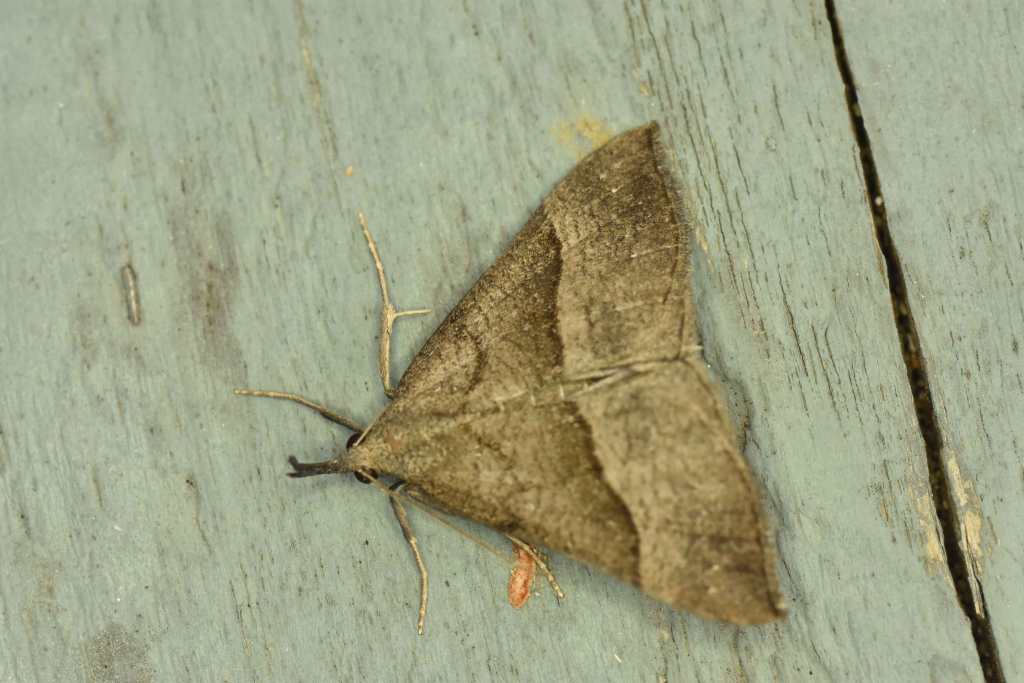
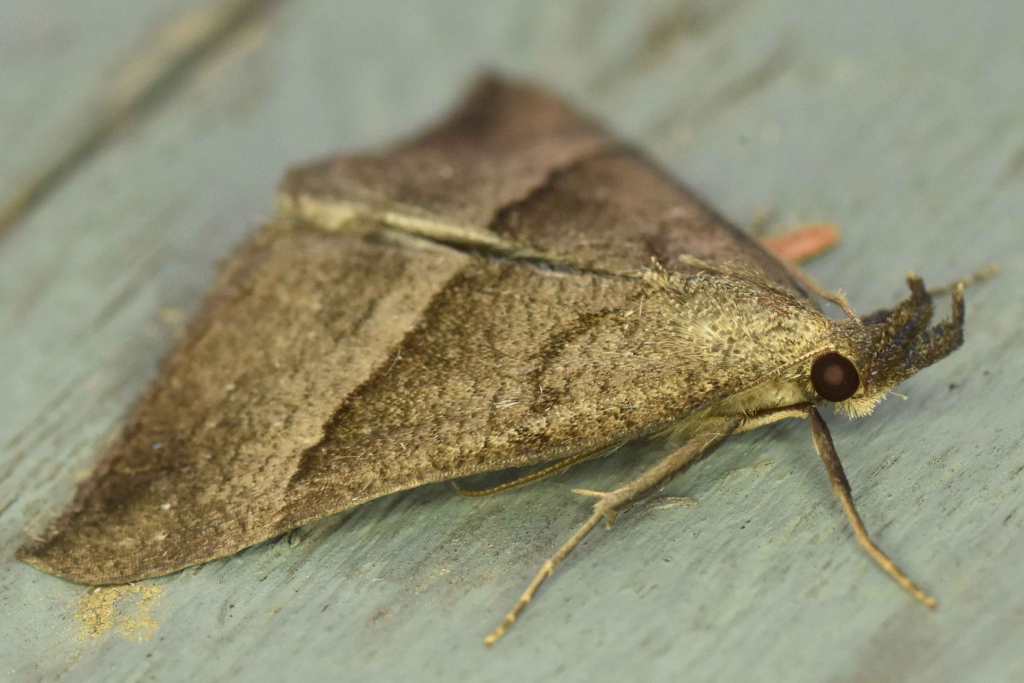
Let’s look at the first of the catch. A fairly flat triangular fellow with what looks like a big long nose (they are called palps). There can be a bit of confusion when first trying to identify this moth. Firstly as it’s fairly flat you might think that it is one of the Geometer moths – which are characteristically flat but it isnt, it’s a noctuid. But the way to remember this is the “nose”. I’s called the Snout (Hypena proboscidalis), with Snout basically being another way of saying nose. You’ll probably remember this one.
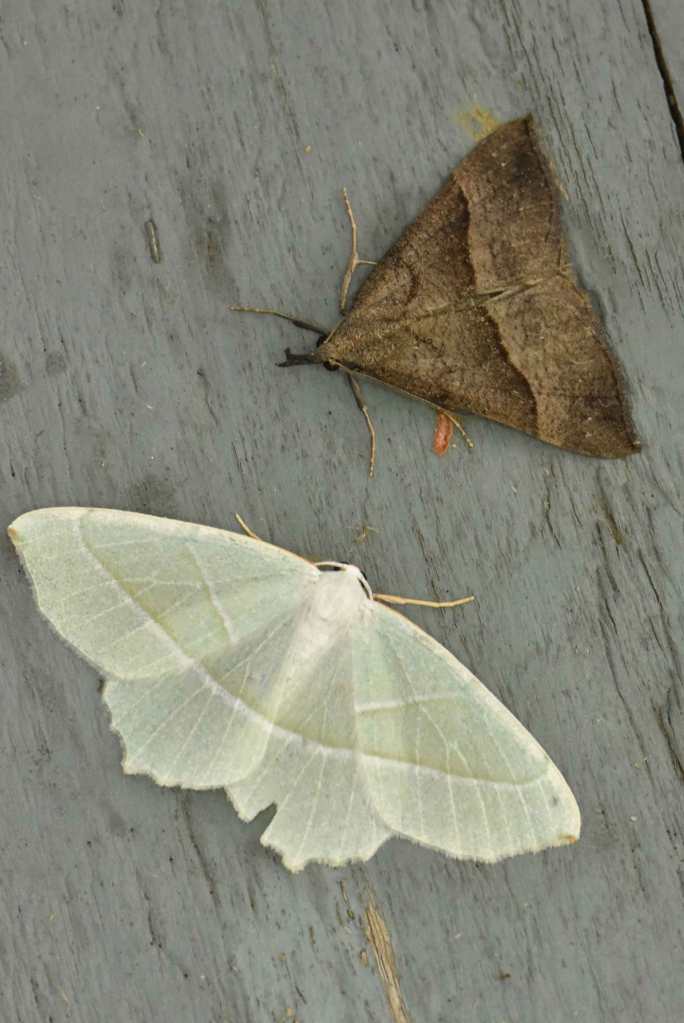
The above photo shows a more typical Geometer with the Snout. This one can be identified fairly simply by it’s colour – a fairly obvious green colour. This calls it out as being oe of the Emerald moths. In this case it’s the Light Emerald (Campae margaritata) with the darker coloured line above the white line across the moth. This is called a cross-line.
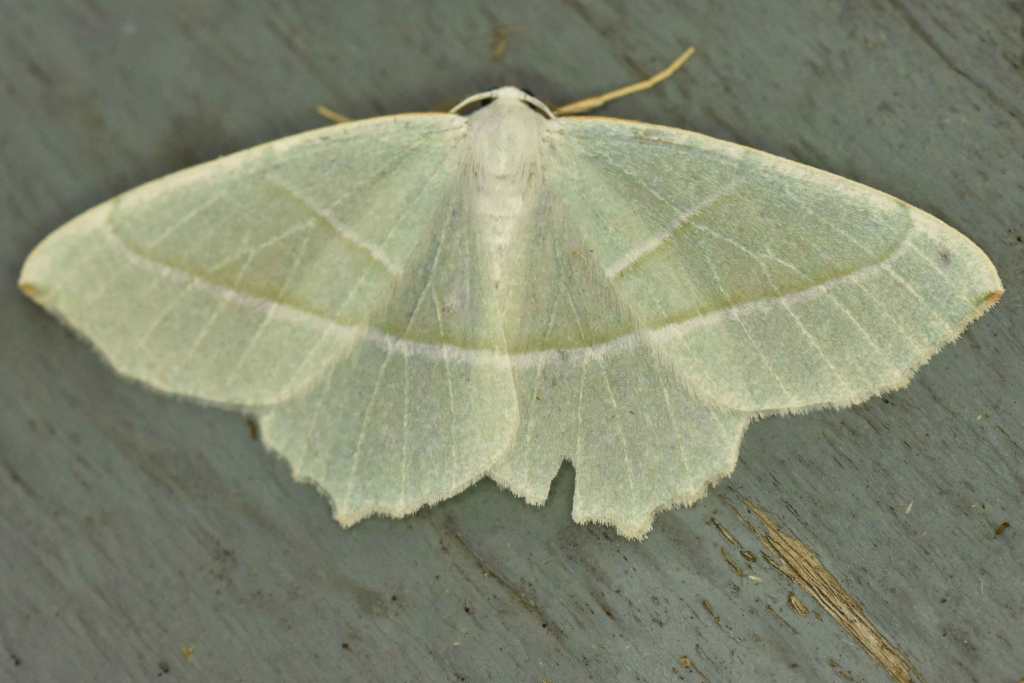
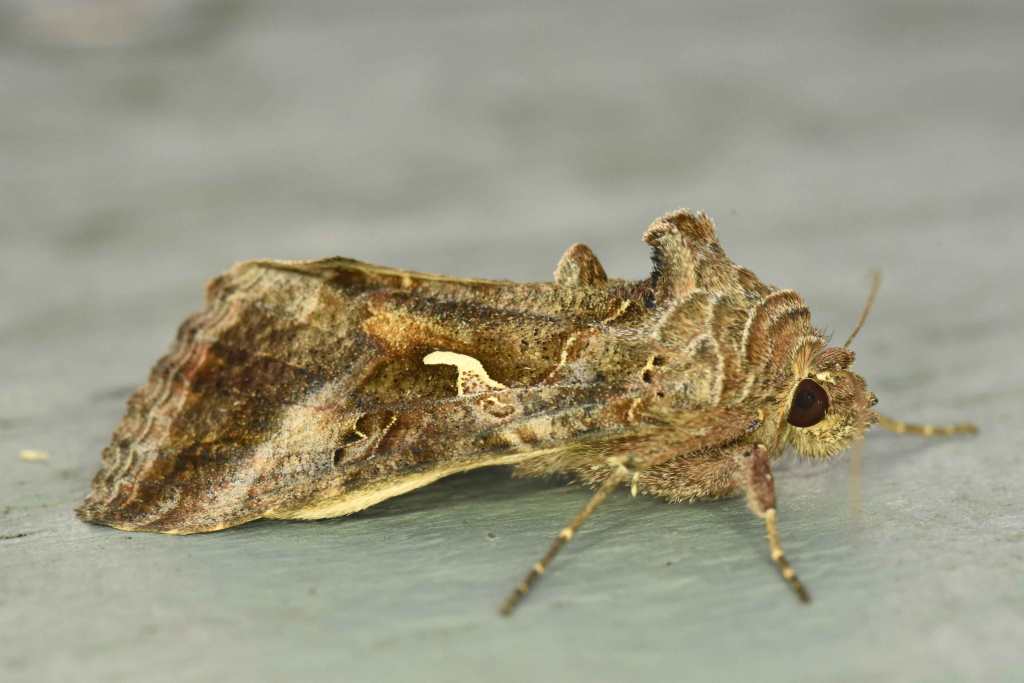
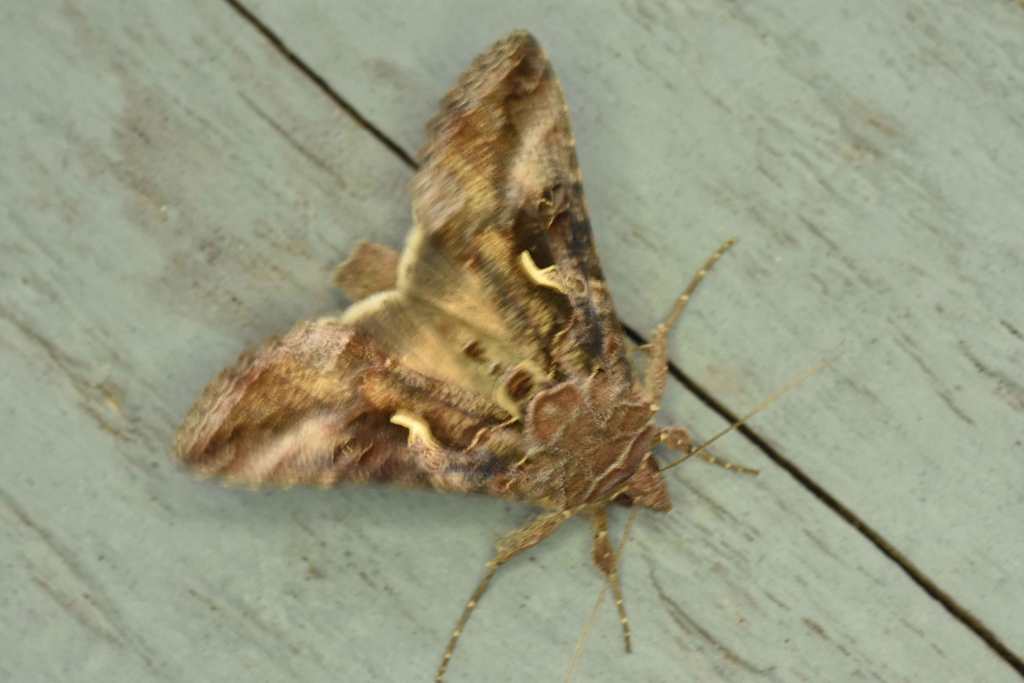
Last, but not least, for this post is a moth that is a well travelled migrant. Again fairly easy to recognise when you know what to look for. In this case its the upside down silvery y shape on the side of the moth. This gives the moth the name Silver Y (Autographa Gamma).
Overall a nice easy start to identifying Moths. The book I tend to use for moth identificaiton is the Field Guide to the Moths of Great Britain and Ireland (Waring, Townsend & Lewington), see the link below.
 What's that bug?